Home > Hydrocodone >

Hydrocodone

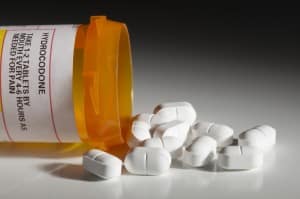
Hydrocodone is an opiate agonist, semi-synthetic narcotic analgesic and antitussive (cough suppressant) used in the treatment of mild to moderate pain.

Hydrocodone preparations contain analgesics such as acetaminophen, which can be toxic to the liver in high doses. Hydrocodone should only be used to treat patients who are tolerant to opiates. At high doses or in opiate sensitive patients there is risk of respiratory depression.

Hydrocodone Uses

Hydrocodone is marketed under names including Vicodin, Lorcet, Lortab, Norco, Anexsia, Hycodan, Vicoprofen, Tramadol, Zydone, Tylox, Tussionex and Hycomine. It is a semi-synthetic opioid. The narcotic drug, which can be habit-forming, is used as a pain reliever and cough suppressant, available in capsules, tablets and liquid form. Hydrocodone relieves pain by binding to the opioid receptor sites in the brain and spinal cord. It is not available in pure form in the U.S., and is typically found in combination with other drugs including aspirin and ibuprofen. A mixture of hydrocodone and acetaminophen is marketed as Vicodin and Lortcet, and hydrocodone and aspirin is marketed as Lortab.

Hydrocodone Warnings

As sales and production of hydrocodone products have increased in recent years, so too have diversion and illicit use of the drug. A four-fold increase in sales was reported between 1990 and 2000. Because the product can be habit forming, it can lead to both physical and psychological dependence. Because overuse of acetaminophen can lead to serious liver problems, its combination with hydrocodone can deter users from abusing it. However, this can cause a problem for young people and others who are unaware that acetaminophen is included in their medication. Many recreational users instead choose to take opiates such as oxycodone, which is not mixed with acetaminophen. When used for long periods of time, or at high doses, tolerance can develop, causing some to take more than prescribed. Most often, the drug is abused orally, instead of through intravenous methods.

Hydrocodone should not be combined with alcohol or other sedatives.

Hydrocodone Side Effects

The U.S. Food and Drug Administration issued an alert this year in regard to the safe use of Tussionex, a cough suppressant containing hydrocodone. The agency said it received reports of “life-threatening adverse events and deaths in patients, including children.” The reports indicated that some health care providers were prescribing the drug to patients younger than 6. It is indicated for patients 6 and older. The FDA also said some doctors were prescribing it for more frequent use than what is recommended.

Side effects of hydrocodone include:

  • Dizziness
  • Drowsiness
  • Lightheadedness
  • Nausea
  • Constipation
  • Vomiting
  • Euphoria
  • Allergic reaction
  • Mood swings
  • Mental fogginess
  • Anxiety
  • Lethargy
  • Rash

Symptoms of overdose include: cold/clammy skin, circulatory collapse, stupor, coma, depression, respiratory depression, cardiac arrest and death. Mixing hydrocodone with other substances, including alcohol, can cause severe physical problems or death.

Get Help with Hydrocodone Addiction Now

Call us today to discuss how the Waismann Method can free you from your Hydrocodone dependency and get your life back.

  • Call Call (310) 205-0808 or (888) 987-HOPE (4673) during business hours. for more information about rapid detox treatment for prescription drug addiction
  • Call After-hours and weekends, please call (310) 927-7155.
  • Email send us a confidential email.

This is alternative content.

Disclaimer: The text presented on this page is not a substitute for professional medical advice. It is for your information only and may not represent your true individual medical situation. Do not hesitate to consult your healthcare provider if you have any questions or concerns . Do not use this information to diagnose or treat a health problem or disease without consulting a qualified healthcare professional. Be advised that Opiates.com articles are derived from various sources and may not reflect your own country regulations.

Copyright © 1997-2007 Anesthesia Assisted Medical Opiate Detoxification, Inc. All Rights Reserved

Terms of Service | Privacy Policy | Site Map | Drug Addiction Resources