

Understanding the Long-Term Effects of Opioid Use on Body and Mind
Over the past two decades, the dramatic increase in opioid prescriptions has resulted in a significant rise in their adverse health effects. Often prescribed for

Heroin is a powerful semi-synthetic opiate derived from morphine most often used as a recreational drug. It delivers an intense “rush” and is more potent than most opioid analgesics. In reality, the drug crosses the blood-brain barrier more rapidly than most other opioids. It is important to realize, that the frequent use of heroin leads to dependence and potential addiction. Heroin causes a “blissful apathy” along with its painkilling effects.
Heroin was first synthesized from morphine in 1874. Until 1910, it was marketed as a non-addictive cough suppressant and substitute for morphine. The Harrison Narcotics Tax Act, passed in 1914, was meant to control the sale of heroin and other opiates. It was also given to patients for medical purposes until 1924 when Congress banned the sale, import or manufacturing in the U.S. Most of it consumed in the U.S. comes from Columbia, Mexico, Canada, Afghanistan, and China. Other top-producing countries include Thailand, Vietnam, and Laos.
Speak Confidentially
with an opiate detox treatment expert.
Although Actiq is intended only for breakthrough pain for cancer patients, studies have found that most prescriptions for it are “off-label,” meaning, the drug is being prescribed for other conditions. The “morphine lollipops” or “perc-o-pops,” (street name), have been prescribed for migraines, arthritis, severe back pain, neuropathy and various injuries. Opioid painkillers have the potential to lead to addiction which requires close monitoring of patients, for signs of abuse.
ACTIQ uses a particular method to deliver fentanyl to the patient. The drug comes in an oral transmucosal lozenge on the end of a lollipop stick. As sweet and as innocent as this drug might look ACTIQ is an incredibly dangerous drug and extreme caution is necessary, whenever using medications containing fentanyl. Furthermore, the use of this medication outside its strict parameters may cause an array of health risks and including death.
Heroin causes rapid tolerance and physical dependence. Furthermore, the combination with its euphoric effects and almost immediate addiction creates many users extreme difficulties when attempting to curtail their use. However, once physically dependent, one can experience extremely unpleasant withdrawal symptoms. Therefore, drug use continues, causing people to place themselves in risky situations regularly.
In fact, some of the common street names are chiva, dope, smack, and junk.
Users abuse it by injecting, smoking, snorting or ingesting it; others inhale the vapors by heating the drug. Often, the drug is sold in the streets and “cut” with other substances to dilute it or add bulk. A mixture of heroin and cocaine, known on the street as a “speedball,” can be fatal. Furthermore, a mixture of fentanyl caused an outbreak of overdoses in several American cities for nearly a decade.
Indeed, the dangers of intravenous use include transmission of hepatitis and HIV from contaminated needles and syringes, abscesses, chronic constipation and poisoning from unknown mixed substances. Uniquely, some countries provide needle exchange programs to provide users with clean supplies. Although, while these programs help cut the transmission rate of infectious diseases, others say it amounts to governments’ acceptance of heroin use.
Methadone is a substitute opioid, to help wean users off other opioid drugs. It is essential to understand, that while methadone has shown some success in controlling addictive behaviors, it can equally lead to withdrawal and detox. Furthermore, Buprenorphine is also used in substitution therapy, and similarly to Methadone, it has a risk of producing withdrawal and addiction.
Opioid antagonists, uniquely block the ability of heroin and other opiates from binding to receptor sites in the brain. Besides Naltrexone, other antagonists include naloxone and the monthly Vivitrol. Moreover, advanced medical detox programs, such as Waismann rapid detox, do not use opioid replacement drugs. Also, Waismann Method has continuously shown one of the highest success rates for heroin detoxification in the country. Of course, sadly enough not everyone is lucky enough to obtain this treatment, even though the success has been unmatched.
Successful drug detox programs, such as rapid detox through the Waismann Method, have demonstrated the highest success rate for heroin detoxification.
Waismann Method Medical Group has been offering a medical solution for those suffering from heroin addiction for over 20 years. Additionally, to demonstrate our quality of care, we utilize not only the most advanced medical detoxification methods available today but also a private recovery center. In reality, we provide options such as Rapid Detox to other forms of inpatient medical heroin detox treatments, equally successful. We are located exclusively in Southern California, where we receive patients weekly from all over the globe into our full-service private accredited hospital. In fact, by focusing on a single location, we have been able to maintain our top position as the leader in heroin detoxification and rapid detox center in the world. After all, our state-of-the-art hospital and post care facility is known for its experience, dedication and an unparalleled reputation for superior medical care.
You find peer-reviewed research studies on heroin referenced in the National Institute on Drug Abuse website.
If you or someone you love, want the best treatment for heroin addiction, then give us a call today at 310-205-0808. We are here for you seven days a week!
Speak With an Addiction Specialist
Exceptional Care & Better Outcome. Get In Touch With Us Today!
Common side effects associated with its use include:
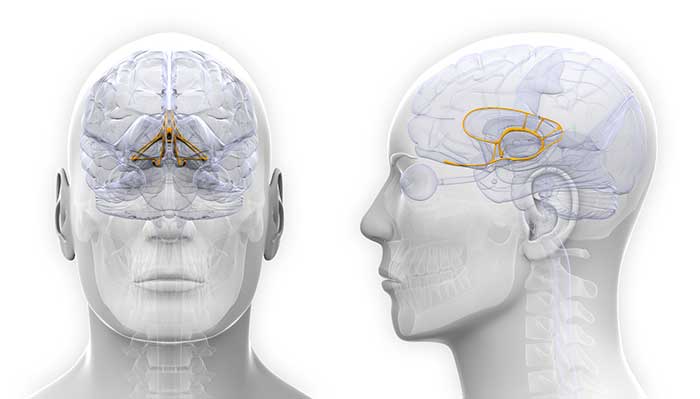
Heroin affects many functions of the brain and nervous system. After the initial effects, heroin users feel drowsy for several hours; mental capacity is compromised, heart function and breathing also slows down immensely. Sometimes these effects can be enough to lead to coma and permanent brain damage or even life-threatening.

Withdrawing can be painfully intense and most often requires medically supervised detox. Withdrawal symptoms are likely to set, within a few hours of last use and include:
If you or someone you care about is struggling with heroin addiction, and you have concerns about possible withdrawal symptoms, discuss with an expert medical professional. Also, if you are wondering about home remedies for heroin treatment, it’s important to keep in mind withdrawal can be very dangerous without the adequate medical supervision. So, if you have the accessibility to an inpatient hospital detox program, please allow yourself to receive the medical care which can provide you with the most safety, comfort, and possibility of success.
What's New at Waismann Method®
Over the past two decades, the dramatic increase in opioid prescriptions has resulted in a significant rise in their adverse health effects. Often prescribed for

Pain management is a critical component of healthcare, particularly when addressing conditions that involve both pain and inflammation. Two commonly used medications in this regard

Opioids serve as potent pain relievers in medical settings, but their recreational use presents serious risks, including a variety of dental health problems. Whether prescribed




We are available 7 days a week
Get Newsletter Updates from Waismann Method®
"*" indicates required fields
DISCLAIMER: The text presented on this page is not a substitute for professional medical advice. It is for your information only and may not represent your true individual medical situation. Do not hesitate to consult your healthcare provider if you have any questions or concerns. Do not use this information to diagnose or treat a health problem or disease without consulting a qualified healthcare professional. Be advised that Opiates.com articles are derived from various sources and may not reflect your own country’s regulations.