Every Day is Fentanyl Awareness Day
Combating the Overdose Crisis with Technology and Social Media INACTION IS NO LONGER AN OPTION In recent years, the shadow of the fentanyl crisis has grown longer and darker...
OxyContin addiction can be described as a compulsive behavior in rewarding stimuli despite negative consequences, which can be debilitating in so many ways. The potent narcotic pain reliever is usually used to treat moderate to severe pain and should be used with caution. OxyContin ® is among the most abused prescription drugs on the market.

OxyContin ® addiction can be defined as compulsive use that leads to physical and/or psychological dependence. Also, OxyContin ® addiction could be caused by long term intake of OxyContin ®. Opiate dependence can be marked by withdrawal symptoms if use is stopped abruptly. Researchers suggest physical and emotional addiction can occur when repeated use alters reward pathways in the brain and behavior patterns. The good news is that there are safe, medically-monitored, programs available to help with opiate detoxification.
Speak Confidentially
with an opiate detox treatment expert.
Stopping OxyContin abruptly can cause withdrawal symptoms to set in quickly, a sure sign of physical addiction. The physical and psychological discomfort of withdrawal and cravings is one of the main reasons people delay seeking treatment for an opiate addiction.
Symptoms and signs of OxyContin addiction, may include:
Recognizing and accepting there is a problem is usually the first step to recovery. This first phase can take a tremendous amount of strength and courage, but is crucial in order for healing to begin.
Reach for help, seek support from loved ones and/or a professional. Facing addiction can be frightening and overwhelming, and is much easier when you have someone you can depend on for encouragement and support.
The second phase should be choosing the right drug treatment program. First focus on the individual emotional and physical needs in order to identify an effective OxyContin treatment. Remember that everyone’s needs are different. A quality treatment program should be able to offer multiple options in order to accommodate patients’ requirements.
Make sure the detox facility is properly licensed, and most importantly confirm that the treating physician has the proper training, experience and certifications in order to provide first-rate care. Individuals progress through OxyContin addiction treatment program at various rates, so there should be no exact or predetermined type and length of treatment to fit all. Research has rapidity shown that good outcomes are contingent on adequate assessment and treatment length.
The Waismann Method® of rapid detox and medical opiate detox has saved thousands of people from their addictions to opiate painkillers including OxyContin ® . The world-renowned drug detox program has attracted press and high acclaim, all because of its remarkable success rate in treating opiate dependence and prescription drug addiction.
Waismann Method offers a premiere in-patient OxyContin ® treatment program that is administered in a fully-accredited hospital exclusively in Orange County, CA. Patients are admitted to their private rooms and monitored for a few days around the clock by medical professionals. While some choose the rapid detox approach, others may have modified versions in order to detox comfortably and effectively. Most patients seeks our Anesthesia assisted opiate detoxification process that allows the withdrawal syndrome to occur within hours instead of days while comfortably sleeping. Once patients wake up, they are no longer physically opiate dependent and they are unaware of the OxyContin withdrawal that occurred during the procedure.
What sets our program apart from the drug programs is the humane way we view and approach drug addiction. Patients are treated as unique individuals. We take into account underlying issues, special needs and individual risk factors in order to provide the best OxyContin treatment available.
The internet has become a breeding ground for false information, especially true for medical claims from other countries. It is crucial to verify the credibility of these claims before taking them at face value. When researching a reputable medical detox program, look for licensed and accredited medical professionals from well-known institutions. This will help to ensure that the information you are receiving is accurate and reliable. Don’t let false claims of overnight miracles lead you astray – take the time to verify their credibility and credentials before making any decisions.
In today’s world of increasingly advanced technology and medical science, it can be easy to forget that not all doctors are as reliable or trustworthy as we might hope. At the same time, most physicians are reputable and well-trained experts dedicated to helping their patients, but some so-called “gypsy doctors” lack proper licensing, insurance, or professional affiliations. These doctors operate without fear of censure or consequence, freely misleading patients to earn a more significant profit.
While it is tempting to believe that such unscrupulous behavior is rare in the medical field, sadly, this is simply not the case. These gypsy doctors take advantage of vulnerable individuals seeking help for their health, from routine checkups and general care to highly specialized procedures and operations. To protect ourselves from these dishonest actors masquerading as medical professionals, we must stay informed about the warning signs that can distinguish legitimate doctors from scam artists.
When choosing a treatment center, we highly recommend checking licenses, certifications, and long-term reputation in the U.S.; without these items, there are more opportunities for false hope, leading to disappointment, financial loss, and bodily harm.
Waismann Method is considered the most thorough and safe sedation detox available worldwide.
We are proud to have Michael H. Lowenstein, M.D. as our medical director for over two decades. Dr. Lowenstein is a quadruple board-certified anesthesiologist and is currently the most experienced doctor in sedation-assisted detox. Although other non-licensed doctors try to affiliate their similar names to our success, Waismann Method® is not affiliated with clinics or doctors elsewhere. We have always been at the forefront of medical innovation and set quality care standards. Dr. Lowenstein’s experience and expertise are unmatched, and we are honored to have him as a part of our team. Thanks to him, we have helped thousands of people overcome addiction and start new lives.
It is widely acknowledged that an effective doctor-patient relationship is crucial to responsible medicine. According to Dr. Lowenstein, this relationship must be grounded in trust, based on the ethical principle that places the patient’s welfare above self-interest. To build this trusting relationship, both parties need to be realistic about expectations, abilities, and limitations – especially those of the treating physician.
To achieve this level of honesty and accountability, a physician must possess certain vital qualities: humility, honesty, and selflessness. These qualities allow doctors to communicate openly and honestly with their patients, putting their well-being above their interests. By fostering an environment of trust and collaboration between themselves and their patients, responsible doctors can deliver effective treatment outcomes that are ultimately in the best interests of all involved.
Despite being the premier rapid detox center globally, Waismann Method® offers much more than just rapid detox. Our approach’s core is a commitment to individualized care that fully meets each patient’s unique needs and clinical conditions. We work closely with patients and their doctors to create customized treatment protocols that consider medical history, current health status, and lifestyle preferences to achieve this goal. Additionally, our medical professionals thoroughly evaluate each patient before beginning the detox process, allowing us to identify potential risks and harms and tailor our approach accordingly. This comprehensive yet personalized approach sets Waismann Method® apart from other rapid detox centers and makes us the best choice for anyone seeking safe and effective opioid detoxification.
Despite the many claims of “overnight cures” and “miraculous reversal of time” in the health care industry, our experts recognize that reversing the effects of opioid use can be a complex and lengthy process for some patients. For those who have been using opioids for a long time or whose nervous system has been significantly impacted by these drugs, it is impossible to rapidly identify and reverse dysregulations in the body or restore function to pre-opioid use disorder states.
Nevertheless, we have helped thousands of patients achieve an opioid-free state and begin reversing the effects of chronic opioid use on their bodies. Our health care professionals work to alleviate pain and promote physical healing through targeted treatments and other supportive measures, helping patients gradually restore their nervous systems to regain health and vitality. So if you are struggling with opioid addiction, don’t hesitate to turn to our team for help. We can support you every step of your path toward recovery.
In recent years, there has been an increasing focus on personalized medicine in healthcare. This approach to medical treatment takes into account a patient’s unique characteristics, such as their genetic profile, history, and current health status. Doctors can tailor treatments to each patient by considering these factors, providing the most effective care possible. In many cases, personalized medicine can mean life and death. As our understanding of genetics and disease continues to improve, the potential for personalized medicine to transform healthcare is limitless.
Patients fly from all over the world to our exclusive Southern California location. Upon arrival, a representative greets them at the airport, where their path to recovery begins. We have become a worldwide leader in medically assisted opioid treatment by offering our services exclusively in one single location. Furthermore, spending two to three days (or whatever time is medically indicated) in a full-service JACHO-accredited hospital and recovering for a few days in a private recovery center provides patients with the time and level of care from a responsible, effective treatment program.
The Waismann Method has been operating exclusively in California for 24 years; we have put all our effort into one sing location worldwide. Our experience has taught us that it’s best to do a few things well rather than spread ourselves thin. It is difficult to replicate our medical director’s quadruple board certifications, experience in treating thousands of patients for a quarter of a decade, and specialized recovery center (Domus Retreat). Because of that commitment, we’ve built a reputation of excellence as well as a solid commitment to our patients and employees. We’re proud to be based here and look forward to continuing to serve patients from all over the world for many years to come.
* WAISMANN METHOD® treatment program has no affiliation with other doctors or centers around the world.
Contact us and learn more about the best treatment options available for you!
Waismann Method Treatment Entails:
* Because opiate and alcohol withdrawal can lead to medical complications, treatment by a multi board-certified M.D. is pertinent.
What's New at Waismann Method®
Every Day is Fentanyl Awareness Day
Combating the Overdose Crisis with Technology and Social Media INACTION IS NO LONGER AN OPTION In recent years, the shadow of the fentanyl crisis has grown longer and darker...

West Virginia Rapid Detox and Drug Treatment Options
Explore top-rated detox treatments in West Virginia, including specialized rapid detox programs and fentanyl addiction recovery. Discover why many West Virginians choose the renowned Waismann Method, available exclusively in...
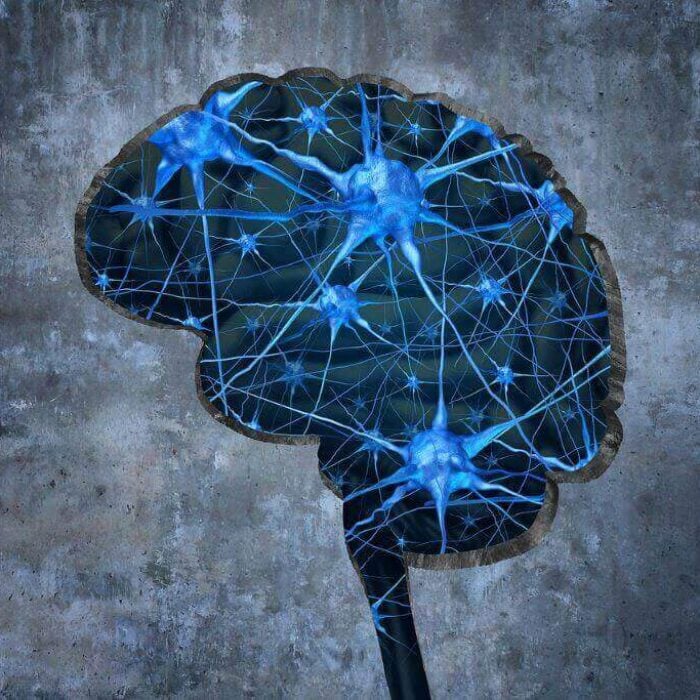
Understanding the Long-Term Effects of Opioid Use on Body and Mind
Over the past two decades, the dramatic increase in opioid prescriptions has resulted in a significant rise in their adverse health effects. Often prescribed for both acute and chronic...
We are available 7 days a week
Get Newsletter Updates from Waismann Method®
"*" indicates required fields
DISCLAIMER: The text presented on this page is not a substitute for professional medical advice. It is for your information only and may not represent your true individual medical situation. Do not hesitate to consult your healthcare provider if you have any questions or concerns. Do not use this information to diagnose or treat a health problem or disease without consulting a qualified healthcare professional. Be advised that Opiates.com articles are derived from various sources and may not reflect your own country’s regulations.