Endorphins promote the overall sense of well-being, which can have many countless benefits.
What are Endorphins?
Endorphins are morphine-like natural chemicals the body produces. It works by diminishing pain while triggering pleasurable feelings. The term endorphin is a combination of the words endogenous and morphine. The pituitary gland releases the chemical during periods of exercise, emotional response, pain, and sexual orgasm. Endogenous opioid polypeptide compounds, resemble opiates in the way they produce analgesia and feelings of well-being. Additionally, research has found, that patients suffering from chronic pain conditions, including fibromyalgia and chronic fatigue syndrome, often have lower-than-normal levels
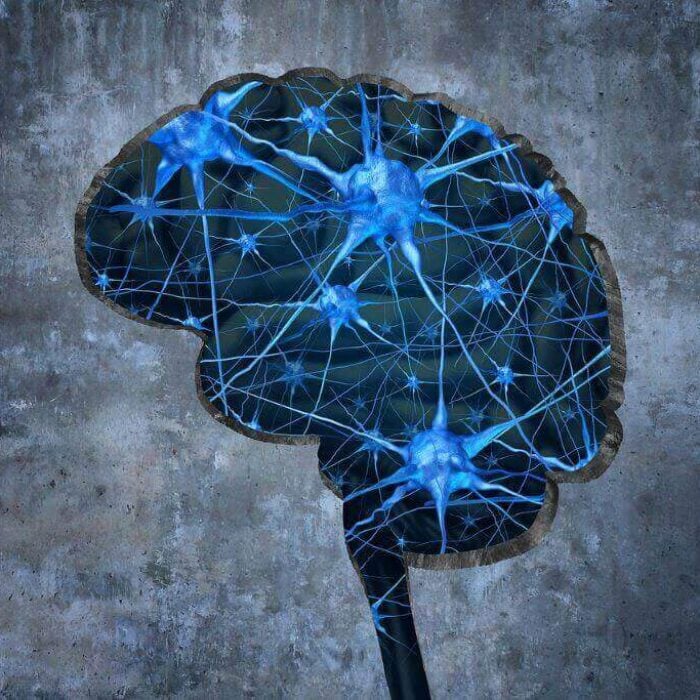
A “rush” of this chemical, brought on by pain, danger, stress or exercise, brings with it feelings of exhilaration. Nerve impulses reach the spinal cord and endorphins are released, preventing more pain signals from being sent. The word “endorphin” is an abbreviated version of “endogenous morphine.” The interaction of endorphins with opiate receptors in the brain reduces the perception of pain, acting like morphine and codeine. The secretion of endorphins can lead to feelings of euphoria, the release of sex hormones and enhanced immune system response. Researchers say endorphins are involved in many functions such as nausea, respiration, vomiting, hormone regulation and pain relief
Endorphin Deficiency Disorder
Endorphin deficiency is a disorder not well understood. All we know is that if that low levels can cause one to experience:
- depression
- anxiety
- mood intabilty
- aches and pains
- opioid addiction
- difficult sleeping
- impulsive behavior
Natural Endorphins Boosters
We still don’t know everything there is to know about endorphins and its full functions, but we do know it has many positive effects. The good news is that there is no need to run a marathon or workout around the clock, to increase levels. You can also produce additional levels of endorphins when you:
- LAUGHTER – Laughter is a great way to release tension. Watch a comedy or laugh with friends and you will release endorphins.
- MUSIC – Music is powerful in so many ways and it can also increase emotions. When you’re coming off opiates you can become hypersensitive to touch and sound. Upbeat music can help ease that transition and elevate your mood.
- MEDITATION – Meditation helps the nervous system function better. This form of therapy can teach you to relax while raising your serotonin, dopamine and endorphins levels.
- SEX – Sex can be a powerful producer of endorphins. Engage in this activity responsibly and wisely.
- ACUPUNCTURE – Acupuncture increases circulation, which also stimulates endorphins release.
- MASSAGE – Massage is a great way to relax and stimulate the release of endorphins.
- WALKING OR EXERCISING– Physical activity is one of the best natural ways to produce endorphins. Do what you can and for as long as you can; even if it is in short interval throughout the day.
Opioid Dependency and Addiction
Pain is one of the most common reasons people visit their doctors each year. Whether it’s due to an accident, illness, surgery or unknown condition, living a full life with chronic pain can be difficult. The most potent pain relief drugs available are narcotics, which are commonly prescribed by doctors. The problem with opioids is that when used habitually, tolerance and addiction can occur.
Taking opiates can deplete the body’s natural endorphins in nerve cells. Long-term abuse of opioids can change the way nerve cells work in the brain. The cells become so used to having the drugs present that they need them to work regularly, which can lead to tolerance and addiction. Addiction is not about the drugs themselves, but about the chemical imbalance that has occurred in your brain. The reward circuitry in your brain has been affected and how you feel, act and respond to distressful situations also has changed
Call us today and ask how the Waismann Method® can free you from your opioid dependency. Call (310) 205-0808 for more information about rapid detox and opioid addiction treatment.