
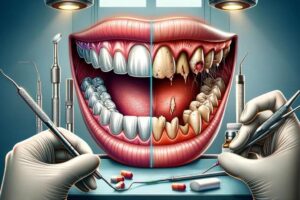
The Impact of Opioids on Dental Health
Opioids serve as potent pain relievers in medical settings, but their recreational use presents serious risks, including a variety of dental health problems. Whether prescribed
Vicodin contains a combination of Hydrocodone and Acetaminophen. Hydrocodone belongs to a group of drugs called narcotic pain relievers, and it is also an opioid. Additionally, it’s effective for the treatment of moderate to severe pain. At the same time, acetaminophen is a weaker pain reliever that enhances the pain-relieving qualities of Hydrocodone.
Vicodin drugs are available in tablets, capsules, and liquid form. Among the many brands, acetaminophen dose can range between 300 and 750 mg, and the hydrocodone dose between 2.5 and 10 mg. In fact, this medication was recently reformulated for safer usage. The new formulation has a reduction of the acetaminophen component of 300 mg. However, some generic formulations may still contain the old dosages of 500 and 750 mg.
Speak Confidentially
with an opiate detox treatment expert.
Opioid drugs can be habit-forming, both physically and psychologically. If this medication class is taken over an extended period, it can become habit-forming, even at regular doses. Henceforth, once dependency occurs, one may have difficulty discontinuing the use and experiencing a withdrawal syndrome.
Also, a patient must never share his or her opioid prescription with another person. Misuse of opioid drugs can cause dependency, addiction, overdose, or even death, especially in a child or someone without a medical prescription. Furthermore, too much acetaminophen can damage your liver or cause death. Please seek immediate medical attention if you feel nausea, pain in your upper stomach, itching, or appetite loss. Besides, dark urine, clay-colored stools, or jaundice can also be signs of liver issues. Certainly, you should take this medication under the close supervision of a healthcare professional.
The U.S. Drug Enforcement Agency regulates drugs, classifying them in a schedule according to their potential for dependence and abuse. Significantly, The Controlled Substances Act of 1970 puts the federal government in charge of enforcing drug laws concerning manufacturing, importing, possession, and distribution.
Hence, federal and state entities are responsible for punishing those who break laws concerning drugs. Vicodin is classified as a Schedule III controlled substance in the U.S. According to the U.S. government, the classification means Vicodin can cause physical or psychological dependence if abused.
Upset stomach, nausea, constipation, dizziness, and dry mouth are among the most commonly reported side effects. Additionally, other side effects include:
Keep in mind this list is not complete because other prescription drugs, over-the-counter medications, vitamins, and herbal products may also interact with acetaminophen and hydrocodone.
Taken as prescribed, Vicodin is beneficial in the treatment of pain. At the same time, prolonged use can cause patients to develop a tolerance that requires them to take more and more to stop the pain. A tell-tale sign of dependence is an intense craving for the drug. Once a patient becomes physically dependent, the discontinuation of an opioid analgesic can cause very uncomfortable withdrawals.
Some of the most common Vicodin withdrawal symptoms are:
Overdosing on Vicodin or other opiates can be fatal. Also, coming off, opioids can be very difficult. Consequently, many users delay treatment because of a fear of withdrawal.
Numerous treatment options are available on an in-patient or out-patient basis. They include hospital-based detoxification, rehabilitation, faith or therapy-based programs, and rapid drug detox. Waismann Method offers opiate treatment for Vicodin addiction through a medical detox and rapid anesthesia detox.
Understanding the detoxification process and the differences between treatment centers is a vital step in achieving success. Therefore, the Waismann Method® has been considered the best and safest Opioid Treatment Program and the Rapid Detox Center for nearly 20 years. Moreover, its reputation for providing superior care and excellent outcomes is world-renowned. Thousands of patients have traveled to California to receive the Waismann Treatment.
What's New at Waismann Method®
Opioids serve as potent pain relievers in medical settings, but their recreational use presents serious risks, including a variety of dental health problems. Whether prescribed
Opioid narcotics, potent substances used for pain management, have become a focal point of public health discussions due to their high potential for addiction and
In today’s fast-paced world, the conversation around prescription medication misuse, particularly the mixing of benzodiazepines (benzos) and opiates, has become more crucial than ever. While





Get Newsletter Updates from Waismann Method®
"*" indicates required fields
We are available 7 days a week
DISCLAIMER: The text presented on this page is not a substitute for professional medical advice. It is for your information only and may not represent your true individual medical situation. Do not hesitate to consult your healthcare provider if you have any questions or concerns. Do not use this information to diagnose or treat a health problem or disease without consulting a qualified healthcare professional. Be advised that Opiates.com articles are derived from various sources and may not reflect your own country’s regulations.