Frequently Asked Questions
Choosing The Right Rapid Detoxification Program
- Where is the detox procedure performed?
- When is the patient admitted to the hospital?
- What are the qualifications of the treating physician?
- What about brain chemistry analysis?
- How long is the patient kept under deep sedation?
- How else occurs during the procedure?
- How long does the patient remain in the hospital following the procedure?
- What follow-up care is provided?
- How does the Waismann Method staff respond to the stories of rapid detox dangers reported in by media?
- Does the Waismann Method employ opiate substitutes like other programs?
- When can I reach the Waismann Method staff?
Other detoxification centers simply substitute one legal dependency for another. They offer replacement-opiate treatment with Methadone or Suboxone (Subutex). These drugs also contain opiates that could eventually require second detoxification. These substitutes cause the patient to go through the same withdrawals that they wanted to eliminate in first place.
Where is the detox procedure performed?
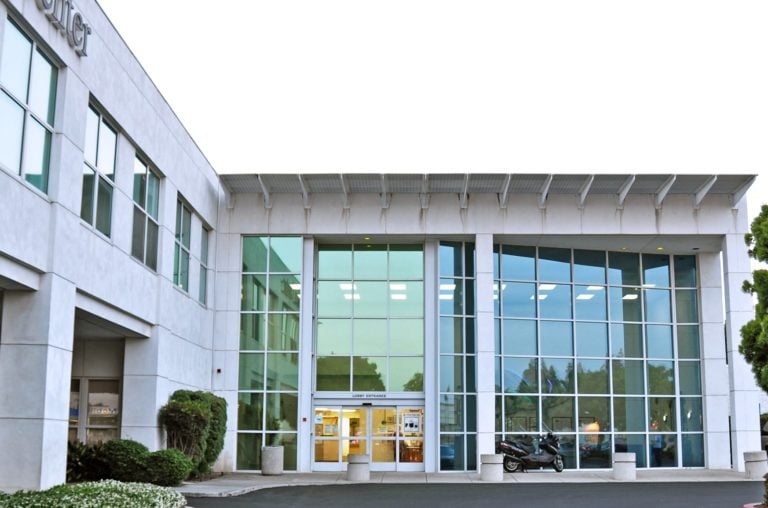
The Waismann Method of Rapid Detoxification is performed in the Intensive Care Unit at a Joint Commission on Accreditation of Healthcare Organizations (JCAHO) accredited hospital. There, experienced and specially trained staff monitors each patient closely.
Opiate dependency takes a toll on the body. It affects many of the bodily systems and it could cause organ damage. To protect the patient during detox, it is absolutely crucial that constant medical care is provided for the patient. Anyone seeking rapid detox treatment should ensure that the procedure takes place in a reputable full service hospital with a fully trained staff.
When is the patient admitted to the hospital?
The Waismann Method admits patients to the hospital at least the day prior to the procedure. To ensure the safety of each patient, physicians must complete a patient's full physical health evaluation in advance before beginning the process.
Patients dependent on opiates have developed a slower metabolism and changes in organ function over time. The digestive system, heart rate, blood pressure, and kidney function are frequently compromised. For the safety and success of the detoxification, doctors properly assess and pre-medicate patients the day prior to the procedure. Each evaluation differs based on health, physical condition, and opiate use. This assessment customizes the treatment to meet the specific needs of each individual.
Patients remain in the ICU for approximately 24 hours after deep sedation has been administered. This ensures the patient's safety by having immediate access to any medical interventions that may become necessary.
What are the qualifications of the treating physician?
Our physicians are Board Certified Anesthesiologists and specialists in pain management, with over a decade of extensive experience in opiate detoxifcation They have made the Waismann Method become one of the most successful treatment programs for opiate patients worldwide.
Our doctors administer the proper amount of deep sedation and opiate antagonist to the patient in the appropriate time frame, based on the patient's individual medical and dependency history.
How long is the patient kept under deep sedation?
Patients are kept under deep sedation from one to two hours. Over the years, our doctors have perfected the procedure to greatly minimize the amount of time under deep sedation. This reduces the risk and complications that can relate to long periods of anesthesia..
After pre-screening and pre-medication, our anesthesiologist performs the Waismann Method of rapid detox treatment. While the patient sleeps comfortably under light sedation , special medications facilitate the cleansing of opiates from the brain's opiate receptors.
What else occurs during the procedure?
Our Doctors closely monitors the medically induced withdrawal. The accelerated withdrawal syndrome occurs within a period of two hours, not days as with traditional methods. Upon awakening, the patient has no conscious awareness of experiencing the withdrawal and is no longer physically dependent on opiates.
How long does the patient remain in the hospital following the procedure?
Patients remain in the hospital approximately 24-36 hours following the procedure, or until they are medically stable. Waismann physicians need to monitor each patient's recovery and assess medical issues such as their pain level and any GI damage caused by opiate intake. The physician authorizes a discharge based on the patient's physical well being, not times set prior to the procedure.
What follow-up care is provided?
Following detoxification, the Waismann Method provides counseling with a therapist specially trained in the field of drug dependence.
Patients continue their recovery at the Domus Retreat. This transition program will personally tailor a 3 to 28-day stay with i care from a specialized team. Pshycotherapists,, Anger management therapists, acupuncturists and massage therapists work closely with each patient to aid recovery and ensure a healthy, drug-free life.
How does the Waismann Method staff respond to the stories of rapid detox dangers reported in by media?
Our expert doctors have performed thousands of Deep Sedation Assisted Medical Opiate Detoxification procedures for over a decade.
Unfortunately, some rapid detox programs have cut corners on medical precautions in order to offer a low cost procedure. These programs are very dangerous and put patients at an incredible risk. They have led to unnecessary medical complications and even preventable fatalities.
Patients should select a program that exemplifies the highest professional standards and rigorous attention to safety. The Waismann Method's standards ensure each patient receives the safest, most effective treatment available to modern medicine.
Does the Waismann Method employ opiate substitutes like other programs?
Waismann patients fully detoxify from opiates. We do not prescribe opiate-based replacement drugs like Suboxone. It keeps users opiate dependent. We receive a large amount of patients from other "rapid detox" programs who subsequently need to detoxify, again.
When can I reach the Waismann Method staff?
Call (310) 205-0808 or (888) 987-HOPE (4673) during business hours to answer all your questions about rapid detox for prescription drug addiction.
Or
send us a confidential email. After-hours and weekends, please call (310) 9277155
Waismann Method
Success Stories
Opioids & Opiates
- Actiq Detox
- Buprenorphine Detox
- Codeine Detox
- Darvocet Detox
- Darvon Detox
- Demerol Detox
- Dihydrocodeine Detox
- Dilaudid Detox
- Drug Detox
- Duragesic Detox
- Fentanyl Detox
- Fentora Detox
- Heroin Detox
- Hydrocodone Detox
- Kadian Detox
- LAAM Detox
- Lorcet Detox
- Lortab Detox
- Methadone Detox
- Morphine Detox
- MS Contin Detox
- Norco Detox
- Opana Detox
- Opiate Detox
- Opiate Library
- Opioid Detox
- Opium Detox
- Oxycodone Detox
- OxyContin Detox
- OxyIR Detox
- Oxymorphone Detox
- Percocet Detox
- Percodan Detox
- Poppy Tea Detox
- Roxicodone Detox
- Stadol Detox
- Suboxone Detox
- Subutex Detox
- Tramadol Detox
- Tussionex Detox
- Types Of OxyContin Detox
- Ultram Detox
- Vicodin Detox
- Vicoprofen Detox
- Xodol Detox
- Zydone Detox