

Safe Usage of OTC Drugs: Essential Tips and Guidelines
Welcome to your comprehensive guide on safely navigating the world of OTC (over-the-counter) drugs. In this essential read, we dive into critical tips and strategies to maximize the benefits...
Welcome to the pivotal turning point in your journey towards understanding and overcoming opioid addiction. In this comprehensive exploration, we delve into the intricacies of opioid addiction—a challenge that transcends boundaries and impacts lives across the globe. From the subtle onset of dependency to the critical stages of withdrawal and overdose, our aim is to illuminate the path towards recovery with clarity and compassion. Here, you’ll discover not only the types and most commonly used opioids but also gain insight into the signs of addiction, the harrowing side effects, and the most effective detox treatments available.
Whether you are personally grappling with addiction or standing by someone who is, this page serves as your beacon of hope and a guide to informed choices on the road to reclaiming control over life.
Opioids are a class of drugs naturally found in the opium poppy plant. They work by interacting with opioid receptors in the brain and nervous system to relieve pain and produce feelings of euphoria. Opioids can be prescribed legally by doctors for pain relief, cough suppression, and acute diarrhea treatment. However, their high potential for dependence and addiction has led to a significant public health crisis related to their abuse.
There are several types of opioids, including:
Prescription Opioids: These are medications prescribed by doctors to treat moderate to severe pain. Common examples include oxycodone (OxyContin, Roxicodone), hydrocodone (Vicodin), morphine, and fentanyl. Fentanyl is particularly potent and is also used in a medical setting for severe pain management but has become notorious for its role in the opioid epidemic due to its illegal synthesis and distribution.
Synthetic Opioids: This category includes drugs that are chemically synthesized to mimic the effects of natural opioids. Fentanyl is a well-known synthetic opioid that is much stronger than other opioids and is often mixed with heroin or cocaine, increasing the risk of fatal overdose.
Illegal Opioids: Heroin is the most recognized illegal opioid, known for its euphoric effects. It is often used when prescription opioids are no longer accessible or to achieve a stronger high.
Opioids bind to specific receptors in the brain, spinal cord, and other areas of the body, reducing the perception of pain and affecting areas controlling emotion, which can boost feelings of pleasure, leading to their misuse. While effective for pain management under controlled conditions, their addictive potential requires careful monitoring and regulation to prevent abuse and addiction.
Speak Confidentially
with an opiate detox treatment expert.
The opioid crisis, particularly exacerbated by the illicit fentanyl epidemic, has profoundly impacted our nation, claiming hundreds of lives daily. Among the most commonly used opioids—oxycodone, hydrocodone, and fentanyl—each holds legitimate medical purposes, primarily in pain management. However, their potential for addiction cannot be overstated. The accessibility of these drugs has unfortunately paved the way for widespread misuse, leading to a concerning number of individuals developing dependencies, sometimes even after short-term use as prescribed for pain.
The path to identifying opioid addiction is paved with a series of red flags that, when noticed early, can be lifesaving. The journey into addiction often begins subtly but escalates to a point where the signs become unmistakable:
While opioids can offer critical relief from acute and chronic pain, their use is not without consequences. The side effects and inherent risks of opioids cast a long shadow, encompassing both physical and psychological domains:
The opioid crisis presents a tangled mix of medical need, addiction, and societal effects. Recognizing addiction signs and understanding the side effects and risks are crucial for everyone. Armed with awareness and alertness, we can start the path to intervention, treatment, and recovery, bringing hope in the face of adversity.
Ready to reclaim control over your life and embark on the path to recovery? Our opioid treatment experts are here to guide you every step of the way.
Don’t let another moment pass in uncertainty. Take the first step towards a brighter, healthier future by calling us now at 1-800-423-2482. Your journey to healing begins with a conversation. Please, don’t hesitate to call.
Starting the journey to overcome opioid dependence challenges individuals with a range of difficult withdrawal symptoms, highlighting the body’s reaction to the absence of the drug. Opioid withdrawal reveals a variety of severe, flu-like symptoms, covering both physical and psychological discomforts.
Navigating the challenging journey of opioid withdrawal demands a comprehensive approach that addresses both the physical and emotional turmoil. Recognizing the extent of these symptoms prepares individuals for the detox process, underscoring the importance of seeking professional guidance and support to tackle these challenges effectively. With the right resources and support, individuals can move through the discomfort, gradually progressing towards a life free from opioid dependence.
There are a variety of treatments for opioid addiction. Some addiction doctors can prescribe certain medications to avoid withdrawal symptoms. However, these may not be permanent solutions. The good news is that there is an effective treatment. You can obtain a complete opioid detox in a hospital. There is no reason to stay handcuffed to opioid addiction anymore.
If you or someone you love is struggling with opioid abuse, dependence, or addiction, call us today. Let us provide you with the solution that is right for you! 1-800-423-2482
Contact us and learn more about the best opioid treatment for you!
Opioid use disorder (OUD) is a medical term to describe a condition. OUD has potentially severe consequences, including addiction, overdoses, and even death. The Diagnostic and Statistical Manual of Mental Disorders (DSMM) describes the OUD as a problematic pattern of opioid use, which can lead to problems or distress, with at least two of the following occurring within 12 months:
Opioid use disorder exhibits several distinct characteristics, notably the rapid onset of physical dependence. Abrupt cessation of opioid use triggers intense withdrawal symptoms, including:
Embark on your transformative journey away from opioid addiction with Waismann Method, a premier provider of advanced detoxification treatments. At the forefront of opioid dependency solutions, Waismann Method specializes in two distinct protocols: Medically Assisted Detox and Sedation Assisted Rapid Detox. Each path is carefully designed to address individual health needs, ensuring a compassionate and effective transition towards recovery.
Medically Assisted Detox: This medically assisted approach provides a controlled, supportive environment where withdrawal symptoms are managed with precision through the use of medications. Tailored to ease the detoxification process, it prioritizes your safety and comfort, allowing for a more manageable recovery experience.
Rapid Detox: For those seeking an expedited path through the withdrawal phase, our Rapid Detox under sedation protocol offers a swift and efficient solution. Under strict medical supervision and utilizing anesthesia, this method significantly reduces the discomfort and duration of withdrawal, facilitating a quicker start to the rehabilitation process.
Administered in a private hospital setting, Waismann Method is led by a distinguished medical director, who holds four board certifications and boasts over 30 years of experience in treating patients with opioid dependence. This wealth of expertise underscores our program’s effectiveness and our commitment to maintaining the highest standards of care and safety.
Our comprehensive approach includes a thorough pre-detox evaluation and dedicated post-detox care, ensuring that each patient receives a personalized treatment plan geared towards achieving the best possible outcomes. With Waismann Method Opioid Detox, you gain access to a premier treatment program that combines medical precision with compassionate care, setting the stage for a successful recovery and a future free from opioid dependence.
Contact us and learn more about the best treatment options available for you!
At the heart of the Waismann Method, our dedicated staff commits to working closely with you and your loved ones to pinpoint the most effective detox strategy, ensuring your journey is marked by comfort, health, safety, exceptional service, and unwavering privacy. Our approach to planning, health evaluation, and treatment delivery is founded on a partnership ethos, fostering a collaborative and beneficial relationship between healthcare providers and patients. This methodology not only enhances the treatment experience but also redefines the dynamics and outcomes in addressing opioid use disorder.
Waismann Method team is deeply aware of the crucial role they play in your path to an opioid-free life. Beyond medical treatment, we believe in the power of emotional and social support as foundational elements of comprehensive healthcare. Trust, compassion, and a commitment to restoring dignity and hope are cornerstones of our practice. We promise to listen attentively, respect your perspectives, and honor your choices throughout this journey.
By choosing Waismann Method, you’re not just selecting a treatment option; you’re embracing a team that views your recovery as a shared mission. Together, we’ll navigate the path to reclaiming your life from opioid dependence, armed with medical excellence, compassionate care, and a deep respect for your dignity and choices.
Call now for more information about the most successful opioid detox in the U.S.
What's New at Waismann Method®
Safe Usage of OTC Drugs: Essential Tips and Guidelines
Welcome to your comprehensive guide on safely navigating the world of OTC (over-the-counter) drugs. In this essential read, we dive into critical tips and strategies to maximize the benefits...
Substance use disorders (SUDs) and mental health issues share a complex relationship, often intertwining and amplifying each other’s effects. In this blog, we delve into the vital role of...
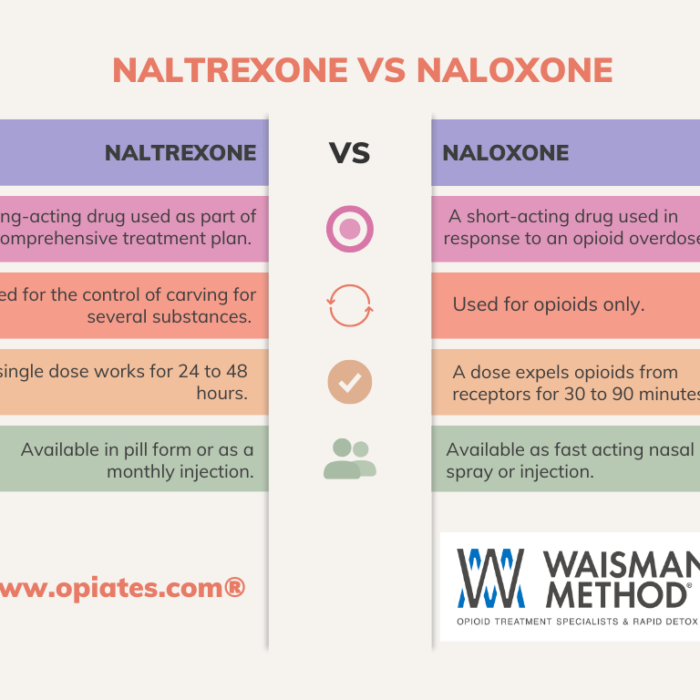
Understanding Naltrexone and Naloxone Differences
In the realm of opioid addiction treatment and emergency overdose reversal, Naltrexone and Naloxone stand out as critical medications. Although both belong to the opioid antagonist class, their unique...



Get Newsletter Updates from Waismann Method®
"*" indicates required fields
We are available 7 days a week
DISCLAIMER: The text presented on this page is not a substitute for professional medical advice. It is for your information only and may not represent your true individual medical situation. Do not hesitate to consult your healthcare provider if you have any questions or concerns. Do not use this information to diagnose or treat a health problem or disease without consulting a qualified healthcare professional. Be advised that Opiates.com articles are derived from various sources and may not reflect your own country’s regulations.