
Understanding Opioid Narcotics: Risks, Treatment, and Recovery
Opioid narcotics, potent substances used for pain management, have become a focal point of public health discussions due to their high potential for addiction and
An opiate agonist is a drug that mimics the effects of naturally occurring endorphins in the body and produces an opiate effect by interacting with specific receptor sites. For example, full opiate agonists include heroin, oxycodone, methadone, hydrocodone, morphine, opium, and several other drugs. An agonist is a chemical that binds and activates the receptor to produce a specific biological response. In contrast, an antagonist blocks the action of the agonist and has an inverse agonist effect. Additionally, opiate antagonists include naloxone and naltrexone.
Methadone is the most widely known opiate agonist used to treat opioid dependence. It can help patients ween off opiates of abuse because it decreases drug cravings. Patients must go to licensed methadone clinics to receive their doses. Because it is a narcotic, methadone has the potential to cause dependence.
Methadone is a synthetic opiate drug and pain reliever. Additionally, it acts on the same receptors as heroin, morphine, and other opiates. While the drug does not produce the same high heroin, it is also highly addictive and has an increased risk of overdose. German scientists first developed it in 1937 by searching for a surgical painkiller named “Dolophine.” Later, exported to the U.S. and renamed methadone, the drug became the treatment for heroin addiction. Unfortunately, it proved to be even more addictive than heroin.
Heroin was first manufactured in 1898 by Bayer Pharmaceuticals in Germany to treat tuberculosis and as a remedy for morphine addiction. Its appearance can be powdery white, rose gray, brown, or black. The different colors come from additives, including sugar, caffeine, or sometimes lethal substances. Besides, people can cut heroin with strychnine or other harmful substances. Various additives can lead to the infection or destruction of vital organs. The buyer never knows the strength or the additives to the heroin. Therefore, there is a constant and high risk of overdose with every use. It can be injected, smoked, or sniffed. Heroin is a highly addictive drug, and the withdrawal can be excruciating.
Oxycodone is a schedule II medication (a category of drugs that have a high potential for addiction but has a legitimate medical use) often used to treat moderate to severe pain. As helpful as it is to control pain, it carries a significant risk of addiction and dependence. Oxycodone in high doses, or when combined with other drugs or alcohol, can cause respiratory distress and even death. It is a semi-synthetic opioid synthesized from thebaine, an alkaloid found in the Persian poppy.
Oxycodone brand names are OxyContin, Roxicodone, Xtampza ER, and OxyIR. It is marketed either alone or with nonnarcotic analgesics such as aspirin (Percodan®) or acetaminophen (Percocet®).
Speak Confidentially
with an opiate detox treatment expert.
Buprenorphine, Suboxone, and Subutex are partial opiate agonist drugs. These partial antagonist drugs bind to the opioid receptors but do not have a “full agonist” effect like heroin. These drugs are typical for the treatment of heroin addiction. Again, they can help prevent withdrawal and cravings. However, the downside of substituting treatment utilizing opiate agonists is that patients usually develop a dependence and tolerance to the medication.
The two most common opioid antagonists are naloxone and naltrexone. Naloxone is FDA-approved for use in opioid overdose and is sold in intravenous, intramuscular, and intranasal formulations.
Naltrexone, on the other hand, is available in both oral and monthly injectable formulations (Vivitrol) and is a blocker that significantly reduces the physical cravings for opioid drugs.
Naloxone binds to opioid receptors, which rapidly reverse and block the effects of other opioids. In case of an overdose, that drug can quickly restore breathing, making it a life-saving medication. The drug is available in the prefilled auto-injectable device as Evizio® or a nasal spray Narcan®.
Speak With an Addiction Specialist
Exceptional Care & Better Outcome. Get In Touch With Us Today!
Pharmaceutical treatments for opioid dependence can be helpful in the battle against addiction. However, many pose a risk of dependency and keep patients from being truly free of opiates. Ultimately, total abstinence is possible in days because of the Waismann Method’s rapid opiate detox. We offer opioid detoxification from OAT drugs, such as methadone and buprenorphine, in an accredited hospital under our quadruple board-certified medical director and other specialists’ guidance.
Our exceptional medical professionals’ outstanding team provides patients with superior physical and emotional support in a caring and supportive environment.
Call us today at 1-800-423-2482 to discuss how the Waismann Method® can free you from your opiate dependency and get you safely and comfortably where you want to be.
What's New at Waismann Method®
Opioid narcotics, potent substances used for pain management, have become a focal point of public health discussions due to their high potential for addiction and
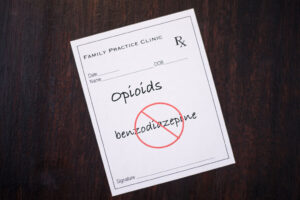
In today’s fast-paced world, the conversation around prescription medication misuse, particularly the mixing of benzodiazepines (benzos) and opiates, has become more crucial than ever. While

Welcome to your comprehensive guide on safely navigating the world of OTC (over-the-counter) drugs. In this essential read, we dive into critical tips and strategies



Get Newsletter Updates from Waismann Method®
"*" indicates required fields
We are available 7 days a week
DISCLAIMER: The text presented on this page is not a substitute for professional medical advice. It is for your information only and may not represent your true individual medical situation. Do not hesitate to consult your healthcare provider if you have any questions or concerns. Do not use this information to diagnose or treat a health problem or disease without consulting a qualified healthcare professional. Be advised that Opiates.com articles are derived from various sources and may not reflect your own country’s regulations.