
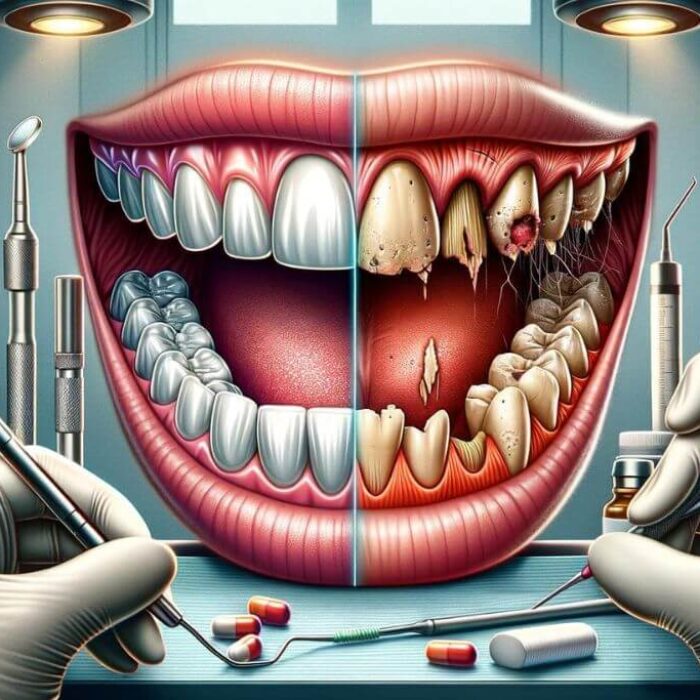
The Impact of Opioids on Dental Health
Opioids serve as potent pain relievers in medical settings, but their recreational use presents serious risks, including a variety of dental health problems. Whether prescribed for pain management or...
Opiate Addiction: A Global Crisis
Drug addiction is an increasingly critical issue that affects millions globally, transcending boundaries of age, socio-economic status, and geography. This complex condition, characterized by a compulsive need to use opiate-based drugs despite harmful consequences, has escalated into a public health crisis. The staggering statistics reveal the gravity of the situation: according to recent data, millions of people worldwide suffer from opiate addiction, with a significant number of these cases leading to fatal overdoses annually. These numbers underscore the urgent need for comprehensive understanding and effective intervention strategies.
In this in-depth exploration of opiate addiction, we delve into various facets of this challenging condition. Our discussion spans the definition and history of opiate use, the multifaceted causes behind addiction, and the recognizable signs and symptoms that signal a problem. We also examine the wide-ranging impacts of opiate addiction, not just on individuals, but on their families, communities, and society at large.
A critical part of this narrative involves unpacking the diverse treatment options available, from traditional medical interventions to innovative therapies and holistic approaches. Moreover, we share inspiring stories of recovery and resilience, showcasing the possibility of a hopeful future beyond addiction. Finally, we emphasize the importance of prevention and education, providing valuable resources and strategies to combat the rising tide of opiate addiction.
Join us on this comprehensive journey to understand opiate addiction in all its complexity, uncovering the challenges, solutions, and hopeful paths forward for those affected.
Speak Confidentially
with an opiate addiction expert.
What is Opiate Addiction?
Opioid addiction is a complex condition where individuals become dependent on opioids, a class of drugs often used for pain relief. This addiction usually starts with the continuous use of opioids to alleviate physical or emotional pain, which, if not properly managed, can lead to a destructive cycle.
Initially, opiates are prescribed or taken for their pain-relieving effects. However, over time, the body builds tolerance, necessitating higher doses to achieve the same relief. This increasing use can evolve into physical dependence, where the body experiences withdrawal symptoms without the drug.
Crucially, addiction often stems from an attempt to self-manage untreated underlying issues, such as chronic pain, anxiety, or unresolved emotional trauma. As dependence grows, the compulsive need to use opiates despite adverse consequences becomes more pronounced, signaling addiction.
Recognizing addiction as a treatable condition is vital. Effective treatment requires a multifaceted approach, addressing not only the physical aspects of dependence but also the underlying emotional or psychological factors contributing to the addiction. Key terms in understanding opiate addiction include opioids (both natural and synthetic pain-relieving substances), narcotics (a legal term often used for opioids), dependence (physical reliance on a substance), and tolerance (requiring increased amounts of a substance to achieve previous effects).
Addiction to opioids is influenced by a complex interplay of genetic, environmental, and psychological factors.
Understanding these underlying causes is crucial in developing effective treatment and prevention strategies.
Treating opiate addiction effectively involves a comprehensive approach that addresses both physical dependency and underlying psychological factors:
This multifaceted treatment approach ensures that both the physical and psychological aspects of opiate addiction are addressed. By combining medical detox with comprehensive therapy and counseling, patients are given the tools and support necessary for a successful and lasting recovery.
Preventing opiate addiction requires a multifaceted approach, emphasizing education, awareness, and accessible resources:
By fostering a culture of awareness and providing the necessary tools and information, individuals are better equipped to make informed decisions, and communities are empowered to support those at risk or struggling with opiate addiction.
Seek top-tier opioid addiction treatment. Contact us now for a brighter tomorrow!
As we conclude our comprehensive exploration of opiate addiction, its causes, effects, and treatment options, it’s crucial to spotlight the Waismann Method, a renowned leader in the field of opiate detoxification and treatment. With decades of experience and a steadfast commitment to excellence, the Waismann Method has established itself as a beacon of hope for those struggling with opiate addiction.
Waismann Method’s success in treating opiate addiction is not just measured in numbers but in the countless lives transformed. The center prides itself on its legacy of helping individuals reclaim their lives from addiction, offering a new path towards health and well-being.
What's New at Waismann Method®
The Impact of Opioids on Dental Health
Opioids serve as potent pain relievers in medical settings, but their recreational use presents serious risks, including a variety of dental health problems. Whether prescribed for pain management or...
Understanding Opioid Narcotics: Risks, Treatment, and Recovery
Opioid narcotics, potent substances used for pain management, have become a focal point of public health discussions due to their high potential for addiction and overdose. This page delves...
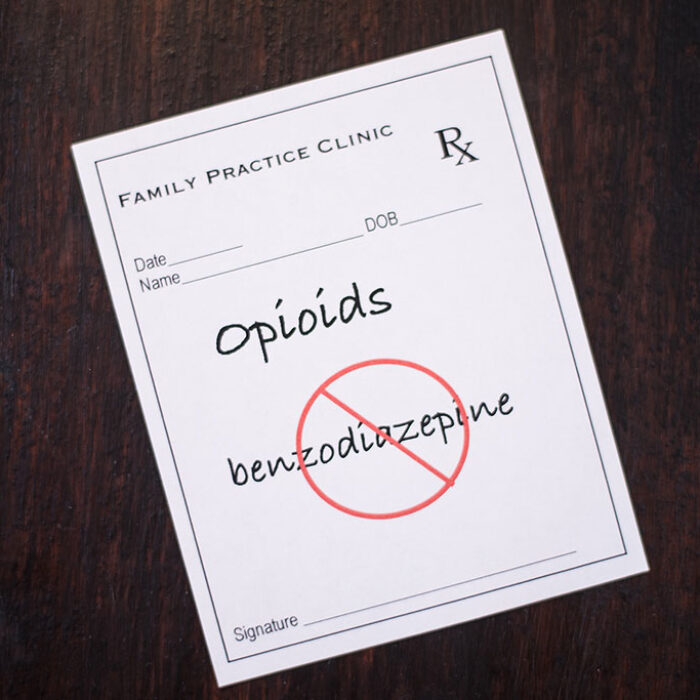
The Hidden Dangers of Mixing Benzodiazepines and Opiates
In today’s fast-paced world, the conversation around prescription medication misuse, particularly the mixing of benzodiazepines (benzos) and opiates, has become more crucial than ever. While some individuals may question,...






Get Newsletter Updates from Waismann Method®
"*" indicates required fields
We are available 7 days a week
DISCLAIMER: The text presented on this page is not a substitute for professional medical advice. It is for your information only and may not represent your true individual medical situation. Do not hesitate to consult your healthcare provider if you have any questions or concerns. Do not use this information to diagnose or treat a health problem or disease without consulting a qualified healthcare professional. Be advised that Opiates.com articles are derived from various sources and may not reflect your own country’s regulations.