There are many reported side effects associated with morphine use, and some can be quite serious. Powerful drugs containing opioids can be dangerous if not taken exactly as recommended by your doctor and pharmacist. Even when taken correctly this type of drug can still lead to allergic reactions, tolerance, dependence or in worst case scenario, addiction. One of the most serious side effects from morphine, is respiratory depression. So, if you feel any breathing problems after taking it, contact your doctor or emergency medical attention immediately.
All prescription medications are given with information about the drug effects, warnings pertaining its use, interactions and possible side effects. Narcotic medications such as morphine, also carry information regarding potential secondary effects like physical dependence and addiction.
Common Side Effects
- Nausea /vomiting
- Constipation
- Dizziness
- Drowsiness or lightheadedness
- Sweating
To prevent some of these symptoms, discuss with your doctor some additions to you daily routine such as a diet high in fiber, drinking plenty of water and exercising based on your specific abilities. Also, to reduce the possibility of falling due to dizziness, try getting up slowly when standing from a sitting or lying position.
Side effects that should be immediately reported to your doctor includes:
- Development of sleep apnea
- Mental changes, including agitation, confusion and hallucinations
- Sever stomach or abdominal pain
- Difficulty swallowing
- Issues urinating
- Loss of Appetite or weight
- Unusual tiredness
Some of the very serious side effects that might need emergency medical assistance are:
- Fainting
- Seizure
- Slow or shallow breathing
- Severe drowsiness
- Difficulty of waking up
- Muscle cramps or stiffness
Possible serious allergic reactions that also might require immediate medical assistance include:
- Rash
- Itching
- Swelling of face and tongue
- Severe dizziness
- Trouble breathing
***THIS IS NOT A COMPLETE LIST OF SIDE EFFECTS. If you notice ‘any’ side effects from morphine, including others not listed above, contact your doctor or pharmacist.
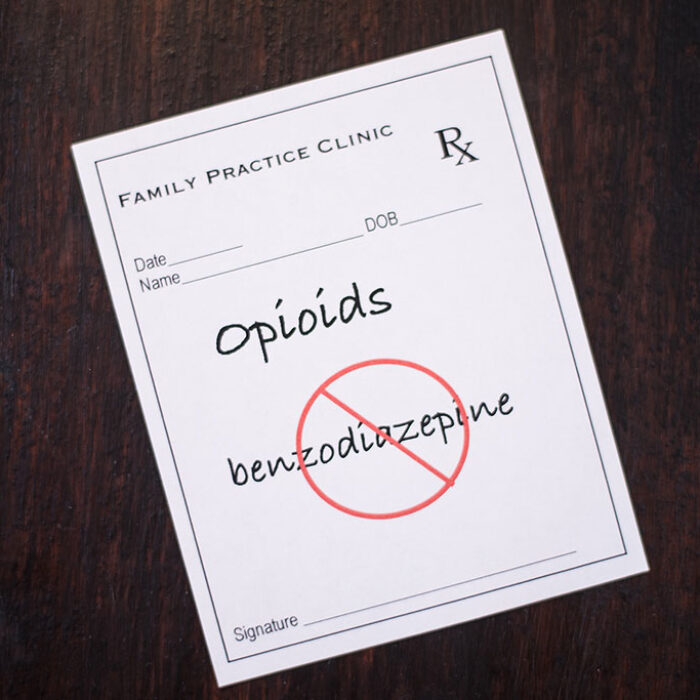
Side effects can vary from person to person and can be influenced by the consumption of alcohol, drugs, other opiate medications, herbal supplements, vitamins and minerals. It’s important to talk to a doctor about everything you take in order to avoid serious drug interactions and risky side effects. Dangerous side effects could develop if morphine is taken with sedatives, tranquilizers or muscle relaxers. Taking morphine inappropriately or recreationally can increase the chances of serious side effects, overdose or death.
Getting Help for Morphine Addiction
An addiction to morphine is very difficult to resolve without professional help. Many treatment protocols use opiate replacement therapy, essentially swapping one addiction for another. The use of Methadone and Suboxone may help wean some users from morphine and other opiates but may cause a second addiction and the need for another detox.
In most cases, patients choose to stay on opioids due to the fear of what a withdrawal might bring. The great news is that a medically assisted detox, such as WAISMANN DETOX, can help patients get through the withdrawal safely and effectively. We integrate a medically managed detox with therapeutic approaches to maximize support and comfort throughout your treatment experience.
When you decide to call us for help with your morphine addiction, we will discuss your dependence, health history and specific needs. Our multi-board-certified medical director will tailor a detox under the close supervision of health care professionals. We understand that choosing a treatment program can be a difficult but mostly needed experience. Our team is here to make this process as easy and as successful as possible for you. We will help you eliminate the obstacles that are presently preventing you to reach a full recovery.
For more information on one of the most successful opioid detox treatment centers in the world call 1-800-423-2482