
Safe Usage of OTC Drugs: Essential Tips and Guidelines
Welcome to your comprehensive guide on safely navigating the world of OTC (over-the-counter) drugs. In this essential read, we dive into critical tips and strategies
Experience a breakthrough recovery with Waismann Method’s Rapid Methadone Detox. With nearly three decades of dedication, we offer a beacon of hope for those battling opioid addiction.
Nestled in Southern California’s peaceful surroundings, our acclaimed rapid detox occurs in a fully-equipped, JCAHO accredited hospital. Here, advanced medical science meets heartfelt, individualized care. Guided by our Quadruple Board-Certified Medical Director, embark on a life-changing journey to wellness, unshackled from the chains of dependency.
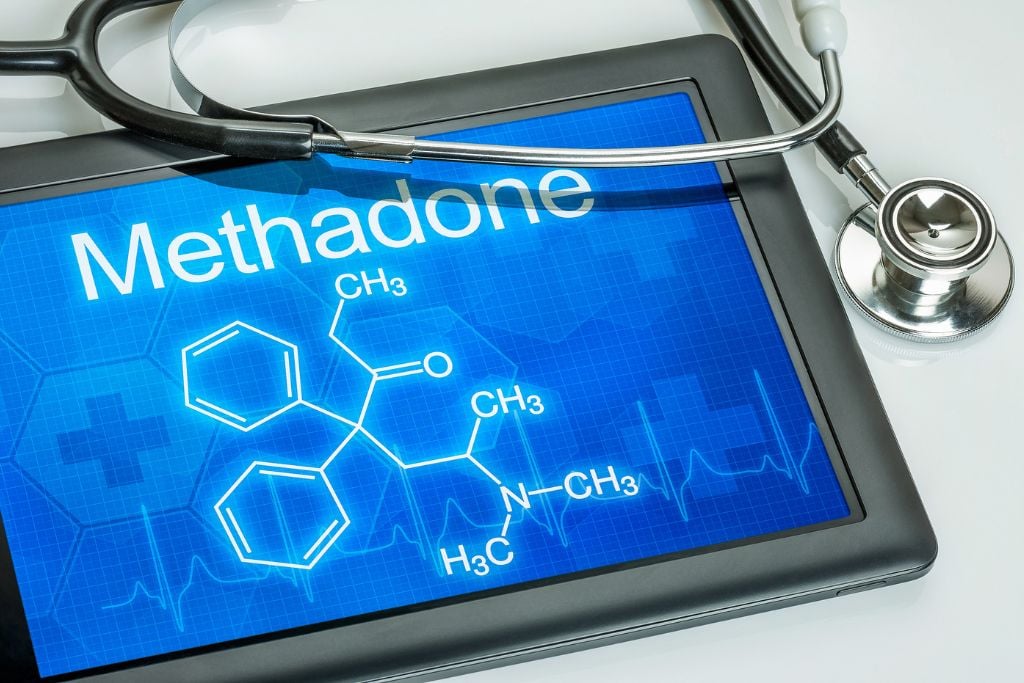
Methadone, a potent opioid developed in the 1930s, plays a crucial role in medication-assisted treatment (MAT). It helps those addicted to stronger opioids like heroin manage withdrawal symptoms in a controlled, medically-supervised setting. Remember, methadone manages, not cures, opioid dependence, allowing for a stabilized path to recovery.
Struggling with methadone addiction? Waismann Method’s Rapid Detox might be your key to regaining control. Whether you’re dealing with high dosages or prolonged use, our expert team offers tailored detox solutions, setting the standard in Methadone treatment.
Absolutely. Our pioneering Waismann Method® Rapid Detox program is meticulously designed for safe, effective withdrawal management, regardless of dosage. Performed in a private, accredited hospital, our approach ensures a comfortable, secure detox process, significantly reducing withdrawal symptoms.
Boasting nearly 30 years of expertise, our approach to Methadone Rapid Detox not only offers immediate relief but also lays a solid foundation for sustainable recovery. Free yourself from the grips of methadone withdrawal with our trusted, medical detox option.
Ready for a fresh start? Reach out to us at 1-800-423-2482 for immediate assistance. Begin your transformative journey with Waismann Method’s Rapid Methadone Detox today!
Speak Confidentially
with an opiate detox treatment expert.
Methadone is a synthetic opioid, primarily introduced to manage opioid addiction. Its fundamental role is threefold:
While methadone plays a pivotal role in harm reduction strategies, its use comes with inherent challenges. Just like the wine to whiskey analogy, using methadone to treat opioid addiction doesn’t resolve the underlying opioid dependence; it merely changes the source of the opioid. This transition to methadone can create a sense of stability in an individual’s life, allowing them to function more normally without the highs and lows of illicit drug use. However, the person remains opioid-dependent.
Because of its long half-life, methadone can accumulate in the body, which can sometimes lead to overdose if not appropriately managed. Its potential for misuse and the resultant physical dependence emphasizes the necessity for careful, medically supervised administration.
For those looking to completely rid their bodies of opioids, transitioning from methadone will require a structured detoxification process. Recognizing the unique challenges posed by methadone dependence, it becomes even more crucial to have a comprehensive and medically guided approach.
Yes, Methadone can affect brain function. Many long-term users of methadone have reported experiencing changes in their cognitive abilities, such as memory issues and a perceived decrease in overall brain function. Here’s a closer look at the reasons behind these effects:
Understanding these effects is important for anyone considering or currently using methadone, and discussing these concerns with a healthcare provider can offer more personalized insights and guidance.
When someone decides it is time for a Methadone Detox, they first need to determine how to overcome the uncomfortable withdrawal process.
Most Methadone clinics provide a tapering off or a dose-reducing method throughout weeks, months, or even years. This technique might initially reduce the symptoms, but it is increasingly difficult to get off Methadone at lower dosages. Methadone withdrawal symptoms are usually painful and can last for several weeks, if not months.
An inpatient medical detoxification can substantially reduce the withdrawal symptoms, making the process much more comfortable and safe. Symptoms of Methadone withdrawal are similar to those of other opioids but last longer and are more intense. Withdrawal symptoms usually last 3-8 weeks and possibly even longer for those with severe addictions and those who consume high doses of Methadone.
Methadone rapid detox can substantially reduce withdrawal time and symptoms. Waismann Method® has been the leading methadone rapid detox treating facility in the USA for over two decades. Patients from all over the world have flown to California to receive this effective detoxification.
Methadone withdrawal can manifest in severe symptoms, making it crucial for individuals to detox in a medically supervised setting. In a hospital environment, doctors can employ IV medications to alleviate and shorten the duration of these symptoms. It’s essential to understand that each person’s withdrawal experience is unique, influenced by factors such as the depth and length of addiction, as well as the individual’s emotional well-being and body chemistry.
Methadone, a synthetic opioid used primarily in opioid addiction management, has proven to be a double-edged sword. While it has been crucial in reducing the harms associated with illicit opioid use, those who wish to transition off methadone face their unique challenges. Let’s explore some of the most effective options for those looking to make this significant life transition:
Remember, the path to coming off methadone is unique to each individual. What proves effective for one person might not be suitable for another. Staying informed about the available options and consulting with healthcare experts is crucial in navigating a successful transition towards a life without dependency.
In the field of opioid addiction treatment, methadone is a well-established option. Yet, for those aiming to wean off this synthetic opioid, various methods are available, with Rapid Methadone Detox standing out for its efficiency.
This process is a medically guided approach that speeds up the withdrawal period. Instead of enduring weeks of symptoms, it reduces them to hours or days. During this time, patients are sedated and given medication to quickly eliminate methadone from the brain’s opioid receptors.
For patients on high methadone doses, feeling bound to ongoing treatment can be overwhelming. The higher and longer the dosage, the more daunting it seems to imagine a life without it. Rapid detox offers a new hope and path to freedom, even for those on significant dosages. This advanced method blocks opioid receptors, effectively removing the severe physical cravings often described as an unbearable urge.
Moreover, rapid detox goes beyond just easing cravings. It hastens the nervous system’s healing process, enabling patients to recover more quickly and comfortably compared to traditional detox methods.
Methadone Rapid Detox could be a game-changing solution for many individuals detoxing from methadone. The key to treatment success largely depends on selecting the best rapid detox center. Engaging in comprehensive consultations with experienced healthcare professionals, considering personal health factors, and aligning with recovery objectives are vital steps. These measures help in choosing a detox center that best meets individual needs, significantly enhancing the chances of a successful and smooth transition away from methadone.
Selecting the right method for methadone detox can indeed be challenging. However, the Waismann Method simplifies this choice by standing out as the superior option for rapid methadone detox. Here are the compelling reasons why:
In conclusion, choosing the Waismann Method for Rapid Methadone Detox means opting for a program synonymous with unparalleled care and a commitment to the patient’s total well-being. It’s not just a treatment; it’s a promise of respect, care, and excellence. If you’re considering coming off methadone and seeking the best in methadone treatment, the Waismann Method is your answer.
For more details, contact us at 1-800-423-2482. Begin your journey to recovery with the support and expertise you deserve.
Speak With an Addiction Specialist
Exceptional Care & Better Outcome. Get In Touch With Us Today!
What's New at Waismann Method®
Welcome to your comprehensive guide on safely navigating the world of OTC (over-the-counter) drugs. In this essential read, we dive into critical tips and strategies

Substance use disorders (SUDs) and mental health issues share a complex relationship, often intertwining and amplifying each other’s effects. In this blog, we delve into
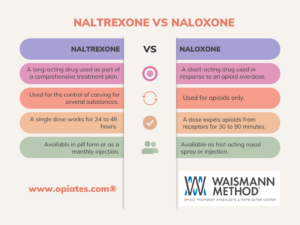
In the realm of opioid addiction treatment and emergency overdose reversal, Naltrexone and Naloxone stand out as critical medications. Although both belong to the opioid



Get Newsletter Updates from Waismann Method®
"*" indicates required fields
We are available 7 days a week
DISCLAIMER: The text presented on this page is not a substitute for professional medical advice. It is for your information only and may not represent your true individual medical situation. Do not hesitate to consult your healthcare provider if you have any questions or concerns. Do not use this information to diagnose or treat a health problem or disease without consulting a qualified healthcare professional. Be advised that Opiates.com articles are derived from various sources and may not reflect your own country’s regulations.