
What Causes Heroin Addiction?
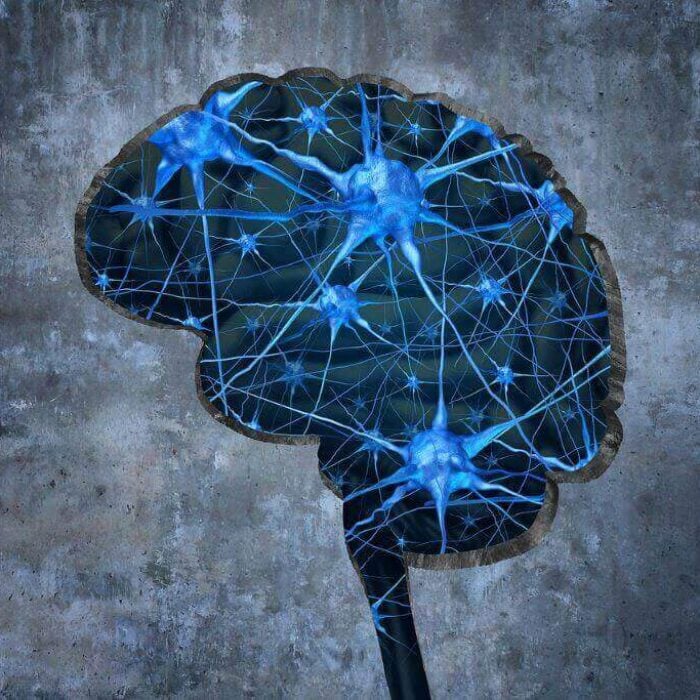
Heroin addiction occurs because the brain has specific receptors that respond and change within minutes to the chemicals in opioids. The path to addiction starts as soon as brain cells have access to the drug. However, with an effective heroin detox treatment, addiction issues can be addressed. People can live a productive and satisfying life without the use of heroin. The key is to recognize the problem as soon as it starts and to find the right treatment programs to help.If you are trying to help someone you love or even yourself from heroin addiction, you have come to the right place. In this page, you can find the signs, symptoms and how to find the best treatment program for heroin abuse.
What is heroin?
Heroin is an opioid drug and one of the most dangerous illicit drugs on the street. The semi-synthetic opiate is a central nervous system depressant and can cause heroin addiction, sometimes within the first couple of uses. Heroin can be taken orally, injected, snorted or smoked. The drug travels quickly to the brain with these routes of administration. Users who inject the drug also put themselves at risk of collapsed veins, contracting HIV or hepatitis, developing skin abscesses or even overdose.
Heroin was actually legal in the U.S. for a period of time. It was marketed as a non-habit-forming cough suppressant and replacement for morphine. Recognizing that heroin was powerfully addicting, Congress in 1924 banned the manufacturing, sale or import of heroin. Heroin comes from the morphine which originates from the opium poppy plant; the drug usually comes in a white or brown powder or a black sticky substance known on the street as “Black Tar” heroin.
- Dragon
- Chiba
- Chiva
- Tar
- Snowball
- Smack
- Junk
- Dope
- H
- Big H
- White Lady
- China White
- Mexican Mud
- Black Pearl
- Horse
- Scag
- Black Tar
- Brown Crystal
- Brown Sugar
- Nod
Heroin is a highly addictive substance, and people often need higher and more frequent doses to prevent withdrawal symptoms. A substance use disorder (SUD) develops when the drug use becomes a source of negative issues. Issues such as health problems and failure to meet basic responsibilities.
Signs and Symptoms of Heroin Addiction
Drug Paraphernalia
When someone is suffering from heroin addiction, his or her entire universe revolves around acquiring and using the drug. For this reason, there are many noticeable changes in a person’s life. Often, the addiction will overpower any essential obligations and relationships. Also, because heroin is smoked, snorted or injected, there might be the presence of drug paraphernalia. You might find syringes, pipes, dirty spoons and lighters around.
Changes in Behavior
Unexpected mood changes are also frequent with drug addiction. Furthermore, behaviors could range from erratic and/or aggressive to a deep depression. Also, withdrawing from friends and social events is also a typical behavior associated with heroin use.
Missing Valuables or Money
Heroin costs tend to rise, as the physical tolerance progresses. As a result, individuals may turn to stealing, drug dealing, or even other illegal activities. Although theft is a legal matter, victims of heroin-involved robbery often will not contact authorities on their loved ones.
Physical Appearance
Heroin is a fast-acting opioid, and when injected, euphoria arrives in seconds. The user’s pupils will look very tiny, and his or her skin will be flush. He will look dopey and may fade in and out of wakefulness (nodding). Furthermore, the person’s thinking will be unclear, and they might not remember the last few minutes.
Physical and Psychological Side Effects
The physical and psychological side effects of heroin addiction can be mild to more severe. It is vital to recognize these symptoms because they can often lead to an overdose.
Some common signs:
- Initial euphoria
- Nausea and vomiting
- Flushed skin
- Itching
- Slower heart rate
- Drowsiness
- Heaviness of limbs
- Pinpoint pupils
More severe:
- Strong heart palpitations
- Extreme anxiety
- Shortness of breath
- Tremors
- Chest pain
Possible Signs of an Overdose
When people overdose, their ability to breathe often becomes weak or non-existent. This lack condition creates a lack of oxygen to the brain called hypoxia. Hypoxia can have short- and long-term mental effects on the nervous system. Sometimes people are left in a comatose state or with permanent brain damage. These are some of the possible overdose signs to look for:
- Bluish lips or nails
- Difficulty breathing
- Delirium
- Muscle spasticity
- Low blood pressure
- Disorientation
- Weak pulse
- Coma
The endless rising number of opioid overdose in the US-led to an increase in efforts to make widely naloxone available. Recently, a number of states are passing laws which allow pharmacists to dispense naloxone without a prescription. Naloxone (Brand Names: Narcan and Evzio) is a drug that can reverse an opioid overdose. It works by binding to the receptors while blocking the effects of heroin and any other opioids.
Best Heroin Addiction Treatment
When people use heroin, their decision-making and self-control deteriorate. For this reason, you might have to make a life or death decision if you think their health is at risk. Also, heroin addiction is a physiological and emotional trap; one that requires professional help to escape. Drug users often neglect their basic needs; the compulsive drug thinking consumes all their thoughts. It is often up to a loved one to rescue the heroin user and get them into treatment.
A range of heroin addiction treatment programs is effective in helping people stop using. However, treatment protocols should be individualized to meet the needs of each patient. A heroin user often delays asking for help, due to the fear of the pain and sickness of withdrawal. If this is the situation you have found yourself in or the case of a loved one, contact the Waismann Method for assistance. Waismann Method has offered effective medical detoxification for those suffering from heroin addiction for two decades. Furthermore, detox options depend on the drugs in your system, your health, age and other relevant factors.
An inpatient hospital detox is our highest level of care and involves round-the-clock medical monitoring. Our medical team provides 24/7 supervision for a safe and comfortable phase. In a hospital, we can also address other medical issues and administer the appropriate medications if clinically necessary.
Heroin Detox and Rehab
The Waismann Method of accelerated drug detoxification uses an entirely opiate-free process to rid patients of their heroin addiction. Heroin detox often starts in a private accredited hospital, where sedatives are mainly given to maintain comfort throughout the detoxification. Furthermore, the Waismann Method® has been the leader in providing breakthrough medical opiate detoxification and rapid detox. The commitment of providing superior results for patients suffering from heroin addiction is as strong today as it was two decades ago.
Our success is mainly due to:
- Individual attention to the patient’s needs
- Commitment to outstanding care
- Multiple heroin detoxification options
- 20 years experience
- Quadruple board-certified medical director
- Facility credentials
- Private Rooms and our complete and comprehensive recovery center.
Individuals seeking the best heroin addiction treatment will likely find it at the Waismann Institute. The treatment is exclusively available in So. California. More importantly, we are continually evolving and improving our methods of heroin treatment while setting higher standards for addiction field professionals, to follow. Our staff is committed and dedicated to providing the highest quality individualized heroin detoxification treatment in a professional, private and compassionate environment.
If safety and effectiveness of a heroin addiction treatment is your priority, the Waismann Method Medical Group should be your only choice. Call us today at 310-205-0808 and let’s talk about the available option we can offer. We are here for you seven days a week.
"*" indicates required fields