
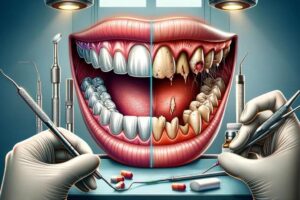
The Impact of Opioids on Dental Health
Opioids serve as potent pain relievers in medical settings, but their recreational use presents serious risks, including a variety of dental health problems. Whether prescribed
Demerol, also known as Pethidine or meperidine, is a fast-acting opioid drug used in the management of moderate to severe pain. It is available in the U.S. in tablets, syrup and by intravenous and intramuscular injection. The adult dosage outlined by the manufacturer is 50 mg to 150 mg orally every 3-4 hours. Like other opiates, users may misuse, abuse and divert Demerol. Hence, tolerance and dependency can occur quickly with regular use.
Demerol is classified as a Schedule II controlled substance in the U.S. The federal government classifies drugs based on their potential to be habit-forming and lead to abuse. Some health professionals believe Demerol can be more addictive than some other opiates because of its fast action and the associated rush and euphoria that comes with it. People often use Demerol only for a short period. However, continuous use or high doses may cause drug levels to build up and cause serious side effects such as seizures and shaking. We advise caution when people need to use this drug for conditions that may require long-term or high-dosage treatment. Discuss with your doctor, possible side effects of Demerol and alternative options.
Speak Confidentially
with an opiate detox treatment expert.
Side effects of Demerol may cause you to feel dizzy or drowsy. Additionally, taking this drug can also lead to feelings of confusion, impaired motor, cognitive function, and difficulty concentrating. Do not drive, operate machinery or participate in any activities that may require alertness. The use of this medication can jeopardize your safety.
Side effects of Demerol include:
Severe side effects of Demerol include seizure, tremors and delirium.
Individuals using opiate drugs can lead to physical dependence and abuse. Therefore, individuals should only consume as prescribed and never share with others. The black market for painkillers makes drugs like Demerol hot commodities. However, illicit use of any narcotic drugs can be risky and even fatal.
Demerol is habit-forming because it provides a euphoric feeling, making the drug widely abused. However, stopping this medication abruptly can cause withdrawal symptoms to set in quickly. In fact, the physical and psychological discomfort of withdrawal is one of the main reasons people delay seeking treatment for an opiate addiction.
Symptoms of withdrawal are much the same for all narcotic pain medications. They can include:
Detoxing from opiates can be difficult, especially for those who have been using for a long time or at high doses. However, in-patient and out-patient treatment centers offer a variety of detoxification methods, which are not the same and can have very different outcomes. Taking into consideration the individual medical and psycho-social history, allows the drug treatment facility to design a customized treatment plan.
Depending on the severity and length of the drug abuse, treatment could entail detoxification, rehabilitation, and counseling.
Hospital-based inpatient drug treatment programs are usually the recommended option because it provides the adequate supervision and medical services, which makes the detoxification phase much safer and efficient.
Anesthesia Assisted Rapid Detox Centers, have been gaining tremendous ground in the medical field. This method, allows the patient to overcome the hardest part of a detox, while they are comfortably under sedation. When Rapid Detox is performed by an experienced, responsible physician, it could be extremely successful. Even so, it is not an overnight miracle cure, and one should not view or treat it as one. It requires the proper inpatient time, adequate pre-treatment and a few days around the clock post care for physiological regulation and stability.
In cases when the medical director does not recommend Rapid Detox due to medical or personal issues, other medical detoxification options should be available. Some patients might require a slower but still medically supervised process of detoxification. It is crucial to the success and safety of each patient, that a highly personalized treatment is determined based on medical and dependence history.
At the Waismann Method, located exclusively in Southern California, patients, are admitted to a private room of an acute accredited hospital. This is where our medical director and his team will evaluate the best treatment route to follow. In short, this where physical and emotional health are assessed and around the clock, medical care is received.
We provide our patients with a number of different medical resources to assist and consult each case. Once withdrawal syndrome has been properly managed, patients are received at Domus Retreat Recovery Center for a few day. Additionally, a team of professionals, counselors, and therapists, will help each guest comfortably navigate through the recovery process with privacy and compassion at the retreat.
When people seek treatment at the Waismann Method, they are received with understanding, acceptance, and respect. Additionally, our facilities are designed to offer the best available drug treatment in a private and welcoming environment. We understand that deciding to enter a drug treatment program can be daunting.
Speak With an Addiction Specialist
Exceptional Care & Better Outcome. Get In Touch With Us Today!
A Perfect Place for Restoration and Rebuilding
While alcohol detox ends the body’s dependence on alcohol in a matter of days, the long-term physical and mental consequences of alcohol abuse remain. After Waismann Method’s patients have successfully detoxed from alcohol, they transition to the next treatment phase, Domus Retreat, our inclusive recovery center designed to feel like a luxury resort. Nestled in a secluded area in Anaheim Hills, Southern California, Domus Retreat offers private suites, chef-cooked meals, housekeeping services, and professional massages. However, the Domus Retreat is much more than a beautiful place to escape daily life’s stress.
Patients undergo an immersive, innovative, and evidence-based treatment experience. Waismann Method® alcohol treatment includes an individualized program of private or group yoga, tai chi, meditation practice, drama therapy, and intensive individual psychotherapy sessions. Each therapeutic program is unique because it is customized to a patient’s particular needs, goals, and preferences. We have been successfully treating patients for over two decades.
If you or someone you care about is struggling with alcohol addiction and dependence, contact the experts at Waismann Method®. Our medically supervised alcohol detox and recovery program offers a safe, discreet, and effective way to return to a life free of alcohol.
What's New at Waismann Method®
Opioids serve as potent pain relievers in medical settings, but their recreational use presents serious risks, including a variety of dental health problems. Whether prescribed
Opioid narcotics, potent substances used for pain management, have become a focal point of public health discussions due to their high potential for addiction and

In today’s fast-paced world, the conversation around prescription medication misuse, particularly the mixing of benzodiazepines (benzos) and opiates, has become more crucial than ever. While






Get Newsletter Updates from Waismann Method®
"*" indicates required fields
We are available 7 days a week
DISCLAIMER: The text presented on this page is not a substitute for professional medical advice. It is for your information only and may not represent your true individual medical situation. Do not hesitate to consult your healthcare provider if you have any questions or concerns. Do not use this information to diagnose or treat a health problem or disease without consulting a qualified healthcare professional. Be advised that Opiates.com articles are derived from various sources and may not reflect your own country’s regulations.